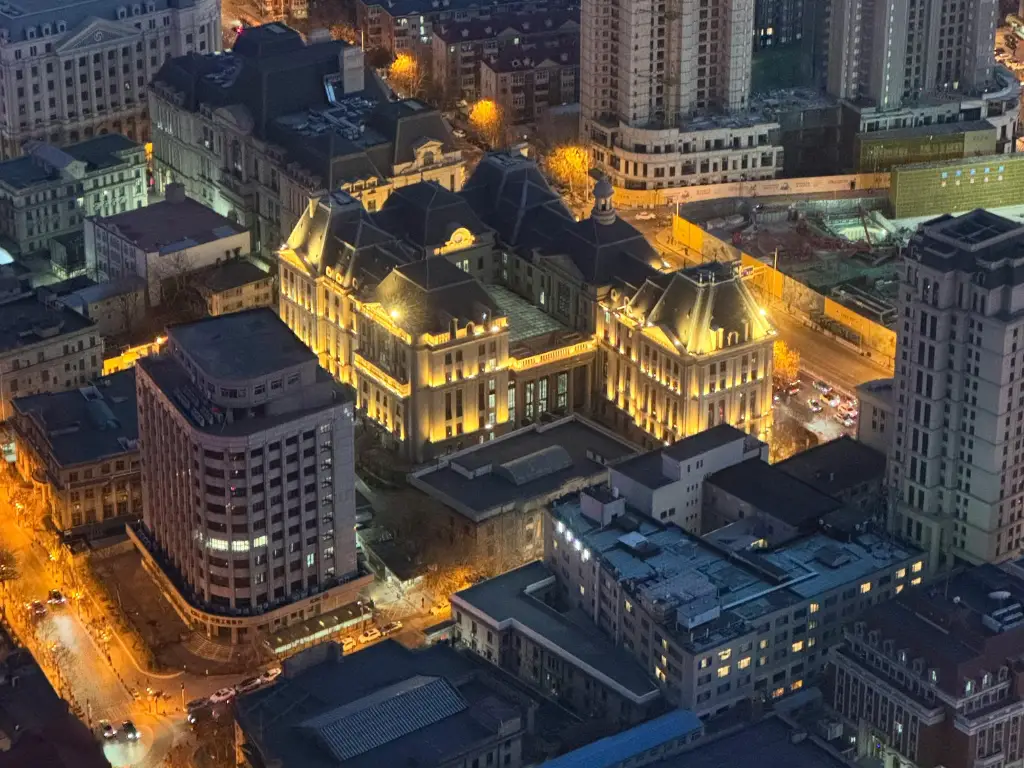
Rooftops have a way of making everyday time feel slightly more memorable. It might be a coffee with a view, a quiet chat as the lights come on or a community event that feels more open simply because it is in the air. Even in smaller towns and market centres, elevated spaces are starting to matter, not as flashy extras but as places people genuinely want to spend time.
That is why more planners and operators look for rooftop inspiration from cities that have turned rooftops into destinations, then adapt the best ideas for local placemaking.
A change of height changes how we behave
At street level, you are constantly negotiating movement. Traffic, crossings, queues, noise, shopfronts, signage. On a rooftop, the pace shifts. Sightlines widen, the horizon appears and your attention stops being pulled in ten directions at once.
That small physical change can trigger bigger behavioural effects:
- People stay longer because there is more to look at and less to react to
- Conversation slows down because you are not fighting the environment
- Shared moments feel more deliberate, especially at sunset or after dark
- The space becomes a social marker, somewhere you suggest when you want the meet-up to feel like a treat
This is why rooftops work across categories. Restaurants use them to encourage lingering, hotels use them to attract locals, cultural venues use them for events that feel different without needing a huge production budget.
The ingredients that turn a roof into a place
A rooftop does not need a skyline to feel special. It needs comfort, coherence and a reason to return. Many spaces fail because they look great for photos but feel awkward to use, too windy, too exposed, too loud, too hard to sit and actually enjoy.
The rooftops people love tend to share a few practical qualities:
- Shelter without enclosure, screens, planting or pergolas that cut wind but keep the openness
- Seating you can actually settle into, a mix of quick perches and longer-stay corners
- Lighting that is warm and navigable, inviting rather than harsh or overly bright
- A simple, confident offering, food and drink that suits the space and arrives quickly
- Greening and texture, materials that soften sound and make the area feel cared for
From a placemaking perspective, there is also a psychological detail worth noticing. A rooftop feels like it belongs to the community when it is not trying too hard to be exclusive. That does not mean cheap, it means welcoming. Clear signage, friendly entry, accessible hours and a layout that works for different ages and group sizes.
How rooftops can strengthen local life
In towns like Market Harborough, community life is built from small regular routines. Saturday markets, after-school pickups, club nights, local festivals, café catch-ups, quiet midweek walks. Rooftops can support that rhythm by offering a flexible third place, somewhere that is not home and not work, where you can drop in for 30 minutes or stay for two hours.
A rooftop that serves locals well usually does three jobs:
- A calm daytime perch for coffees, light lunches and a change of scene
- An early evening social zone that does not require a full night out
- An event-ready platform for seasonal programming without major disruption
This is where global ideas become useful, not to copy big-city glamour but to borrow patterns that work. A rooftop does not have to be large to feel meaningful. It can be a terrace above a pub, a hotel top floor, a converted commercial building or a mixed-use development with a public-facing element.
Even destination-led rooftops, including those attached to entertainment precincts and casino properties abroad, often succeed because they bring in people who are there for the view and atmosphere first. The rooftop becomes a bridge between different audiences, visitors, locals, diners, event-goers, all sharing the same elevated moment.
A simple framework for making a rooftop worth returning to
If you are thinking about a rooftop space from a business or community angle, it helps to design for repeat visits rather than one-off novelty. A practical way to do that is to build a weekly rhythm.
Here is a lightweight framework that keeps things grounded:
- One dependable signature, a house drink, a seasonal dessert, a simple platter, something locals can recommend
- Two time slots you own, for example, weekday late afternoons and weekend early evenings
- Three micro-experiences, small touches that feel special, like blankets, heaters, candle-style lighting, a herb planter wall
- Four seasonal switches, menus, planting, music and event themes that rotate through the year
You can also pressure-test the idea with a quick checklist before investing heavily:
- Can someone arrive alone and feel comfortable for 20 minutes?
- Can a group of four stay for 90 minutes without constantly shifting chairs?
- Is there a plan for wind, rain and cooler evenings that does not ruin the open feel?
- Does the space work for people who do not drink alcohol?
- Is service flow easy enough that staff are not doing obstacle courses all night?
If you can answer yes to most of those, you are already ahead of many rooftops that look impressive but do not function.
Small touches create the feeling people remember
The reason rooftop spaces feel special is not just the height. It is the permission they give you to pause. You look out, you notice the light changing, you feel a little removed from the rush. In a community setting, that pause can become part of local identity, a place that visitors talk about and locals return to because it feels like theirs.
Rooftops work best when they are designed with real life in mind. Comfort beats spectacle, consistency beats hype and thoughtful programming beats constant noise. Get those right and even a modest elevated space can become one of the most loved places in town.
Author: Harbs
We're here to promote shopping, trades and attractions in the Market Harborough area. We are an inclusive directory, offering free advertising of local; places, events and businesses of all kinds.
Leave a Reply